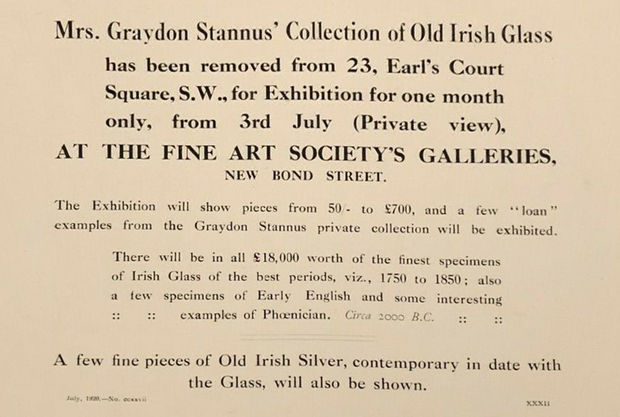
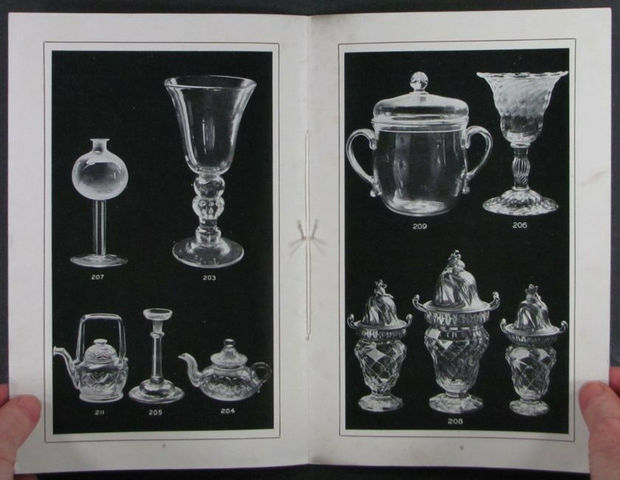
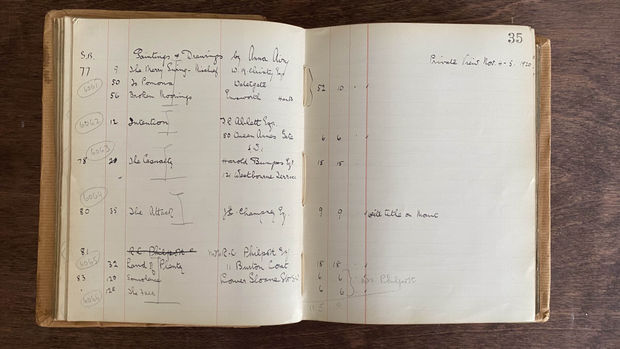
Much of the year following on from the Graydon Stannus exhibition was devoted to living artists, the majority of whom were working in watercolour – with no fewer than fourteen exhibitions, mostly focussing on landscapes in Britain, Europe and the Far East . For The Fine Art Society, living artists working in the medium had been a strong staple for business since the early 1880s, when 'artist-travellers' such as Alfred East and Sutton Palmer, whose 'Watercolours of The Holy Land, Egypt and California', provided picturesque and exotic landscapes at reasonably inexpensive prices compared to oils.
The demand for moderately priced ‘contemporary’ art for both young and seasoned collectors alike was no different in 1920 than it is today. Artists including Reginald Smith, Ruth Dollman, Ann Airy and Walter Tyndale were hugely popular, with works priced between £15-£20 (£600-£900 today), producing total exhibition sales of between £265 and £720 (£12,000 and £32,100 today). Although the demand seen in those days has fallen, watercolours remain important to our trade, particularly in the cannon of nineteenth and twentieth century artists we exhibit, including John Frederick Lewis, George Leslie Hunter, James Cowie and Edward Bawden .